
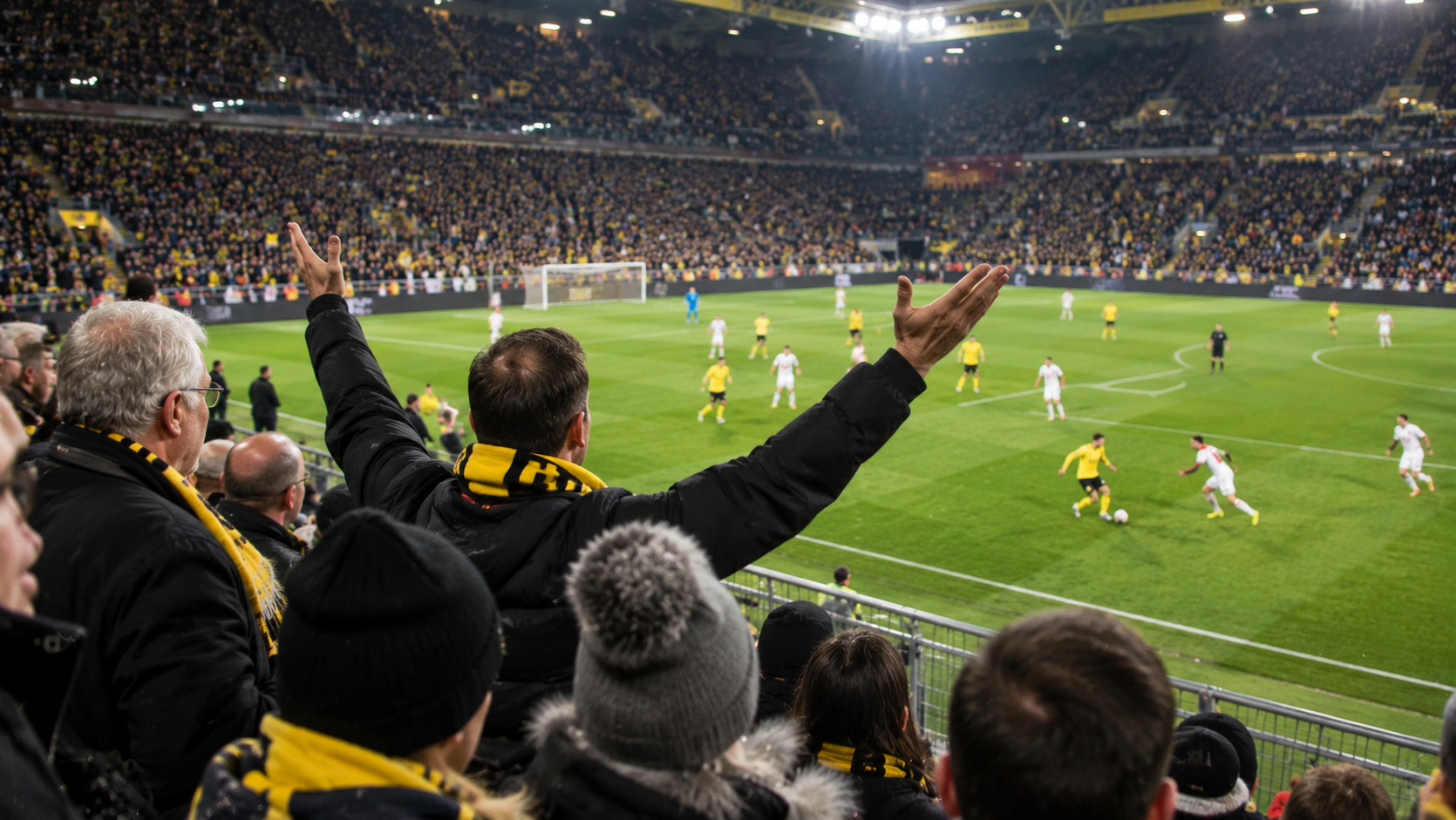
German football is often recognised for its impressive stadiums, passionate supporters and competitive intensity. Yet the identity of the Bundesliga extends far beyond the action on the pitch. Every club represents a particular place, a community and a collection of traditions that have developed over generations. Some teams are closely connected to industrial cities, others have become symbols of regional pride, and many carry memories of historic achievements that continue to influence their supporters. To understand this wider world, смотреть полные матчи чемпионата Германии is an opportunity to experience not only the football itself but also the atmosphere, rivalries and emotions that give each encounter its character.
Every Club Has a Story Beyond the League Table
The Bundesliga brings together clubs with different histories and relationships with their local communities. Their identities are shaped by more than trophies or current league positions. They develop through generations of supporters, memorable players, historic stadiums and the traditions that surround matchdays.
For some clubs, football is closely connected to the industrial heritage of the region. Their histories reflect the development of local communities, where the stadium became a gathering place for people whose lives were connected through work, neighbourhoods and shared experiences. Other teams represent cities with different cultural backgrounds, where football has become one of the most visible expressions of local identity.
These stories help explain why supporters remain loyal even during difficult seasons. A club is rarely just a sporting organisation. It can represent family memories, friendships and a sense of belonging that continues regardless of the result.
This connection is particularly noticeable during important fixtures. A victory may bring pride to an entire community, while a disappointing performance can become a subject of discussion long after the final whistle. Understanding this background makes watching German football more meaningful because every match becomes part of a much larger story.
Stadiums as Places of Collective Memory
German stadiums are among the most recognisable features of the country’s football culture. Their architecture, size and atmosphere create distinctive environments that influence how supporters experience the game.
Some grounds have undergone major modernisation, combining contemporary facilities with historical elements that preserve their original identity. Others are known for their imposing stands and the close relationship between spectators and the pitch. In every case, the stadium is more than a venue where matches take place.
It is a place where generations meet. Parents introduce children to the traditions of their clubs, supporters return to familiar sections of the stands and old stories are repeated whenever an important fixture brings back memories of previous seasons.
The atmosphere develops throughout the match. Anticipation before kick-off gradually turns into tension as the teams compete for control. A successful defensive intervention can produce a reaction almost as strong as a goal, while a late equaliser can transform the mood of an entire stadium.
A complete match recording preserves these changes. Highlights may show the goals and major incidents, but they rarely communicate the full emotional rhythm of the occasion. Watching the entire encounter makes it easier to appreciate the relationship between the players, the crowd and the stadium itself.
The Supporters Who Give Football Its Character
The Bundesliga has a strong reputation for supporter culture, with organised fan groups and long-established matchday traditions contributing to the atmosphere of many fixtures. Chants, banners, coordinated displays and familiar rituals help create a sense of collective identity.
Supporters do not simply react to what happens on the pitch. They help establish the emotional environment in which the match takes place. Their encouragement can become particularly important when a team is struggling, while a moment of success may turn an already energetic stadium into a celebration.
The relationship between clubs and supporters is also expressed through community activities, youth programmes and local initiatives. Football can provide opportunities for people of different ages and backgrounds to come together around a shared interest.
This social dimension is important because it explains why a club’s popularity cannot be measured only through its recent achievements. Historical attachment, family traditions and local pride often remain powerful even when results are disappointing.
For viewers following matches from a distance, the full broadcast offers a chance to experience some of this atmosphere. The sound of the crowd, the reactions to important decisions and the changing intensity of the stands provide context that statistics cannot fully describe.
Regional Rivalries and the Meaning of a Derby
Rivalries are among the strongest expressions of football identity. In Germany, some encounters are shaped by geographical proximity, while others reflect long sporting histories or competition between clubs with different ambitions.
A derby can influence the mood of a city long before the teams enter the stadium. Supporters discuss previous meetings, remember dramatic victories and anticipate the next chapter in a rivalry that may have developed over decades.
These matches often demand a particular kind of concentration. Players must manage the emotional intensity while maintaining tactical discipline. An early mistake can become especially costly, and a successful challenge may receive an extraordinary response from the crowd.
The importance of a rivalry is not always connected to the league table. Two clubs can occupy different positions and still approach their meeting with enormous determination because the fixture carries significance beyond the immediate competition.
Watching a full derby provides a better understanding of this atmosphere. It reveals how the teams respond to pressure, how players react to the crowd and whether the emotional intensity affects their decisions. A short summary may preserve the decisive incident, but the complete match shows how the tension developed.
Football Traditions Across Different Generations
One of the most interesting aspects of German football is the way traditions are passed from one generation to another. A supporter may first visit a stadium as a child, return years later with friends and eventually introduce the next generation of the family to the same club.
These experiences create a personal connection that goes beyond the result of an individual match. Familiar songs, club colours and stories about former players become part of a shared identity.
Traditions can also evolve. New generations bring different expectations, digital habits and ways of following football. Younger supporters may discuss tactics online, watch international competitions and follow players across several platforms, while older fans may place particular importance on the rituals of attending matches in person.
Despite these differences, the central attachment remains similar. Football creates opportunities for people to share emotions, memories and conversations. A dramatic match can become a reference point that supporters remember for years.
This continuity helps explain the lasting appeal of the Bundesliga. Its clubs are constantly changing, but the relationship between football and local communities remains an important part of the competition’s identity.
The Human Stories Behind Club Development
Every professional team depends on a wide network of people whose contributions extend beyond the players seen during a match. Coaches, academy staff, medical specialists, administrators and local volunteers all help create the environment in which a club operates.
Youth development is particularly important because it connects professional football with the wider community. Local academies give talented young players an opportunity to develop their abilities and potentially progress towards senior competition.
For a young footballer, reaching the first team can represent years of work. It requires technical development, physical preparation and the ability to adapt to the demands of professional sport. When an academy graduate makes an important contribution, supporters may see the achievement as something that belongs to the entire club rather than to the individual alone.
Managers also play an important role in shaping a club’s identity. Their tactical decisions influence the style of play, but their approach to communication, youth development and team organisation can affect how supporters perceive the team.
Watching complete matches helps reveal these relationships. It allows viewers to recognise how young players integrate into the squad, how experienced footballers guide the team and how collective effort becomes visible during difficult periods.
How Football Connects Local Communities With the Wider World
The Bundesliga has an international audience, and its clubs are followed by supporters who may live thousands of kilometres from the stadiums where they play. Digital media has made it easier to discover German football, follow individual players and become familiar with clubs beyond the most internationally recognised names.
This global audience creates an interesting relationship between local identity and international interest. A club can remain deeply connected to its city while attracting supporters from different countries and cultural backgrounds.
For international viewers, learning about a team’s history can make the football more engaging. Understanding the importance of a local rivalry, the character of a stadium or the traditions of a supporter group provides additional context for each fixture.
The same is true when following less prominent teams. Their matches can reveal different approaches to football, ambitious projects and communities whose stories are not always visible in international coverage.
The Bundesliga is therefore both a national competition and a meeting point for different football cultures. Its international reach does not remove its local character; instead, it gives more people an opportunity to discover it.
Technology Is Changing the Supporter Experience
Digital technology has transformed the way football is followed and analysed. Modern broadcasts provide multiple camera angles, detailed replays and additional match information, allowing viewers to examine incidents that may be difficult to understand during live play.
Clubs also use video analysis and performance-tracking systems to study player movement, tactical organisation and physical workload. These tools help coaching staff evaluate performances and prepare for future opponents. Technologies used in officiating provide additional information when certain decisions require review.
For supporters, recorded matches create opportunities to revisit important encounters and examine the details behind key moments. A viewer can return to a goal, study the movement that created the opportunity or observe how a team changed its structure during the second half.
Technology has also strengthened the connection between clubs and their audiences through digital communication, online communities and accessible match coverage. The experience of football is no longer limited to the stadium, although the atmosphere of a live match remains unique.
Why the Full Match Matters to Football Culture
A complete match offers something that cannot be reduced to a scoreline. It preserves the rhythm of the contest, the reactions of the supporters and the smaller contributions that help define a team’s performance.
For German football, this is particularly valuable because the identity of a fixture often comes from a combination of sporting and cultural elements. A derby carries historical meaning, a home match reflects local traditions, and a meeting between ambitious clubs can reveal different approaches to building a successful team.
Watching the entire encounter helps supporters understand how these elements come together. It shows the gradual development of pressure, the emotional response to important incidents and the collective effort that continues even when the ball is far from the camera.
The Bundesliga remains compelling because it combines competitive football with strong regional identities and a distinctive supporter culture. Its matches are not simply events on a calendar. They are part of the ongoing stories of clubs, cities and generations of fans.
The final whistle may close one chapter, but the traditions surrounding German football continue long afterwards. Understanding the full match means discovering not only what happened on the pitch, but also why it matters to the people who follow it.